
Guide
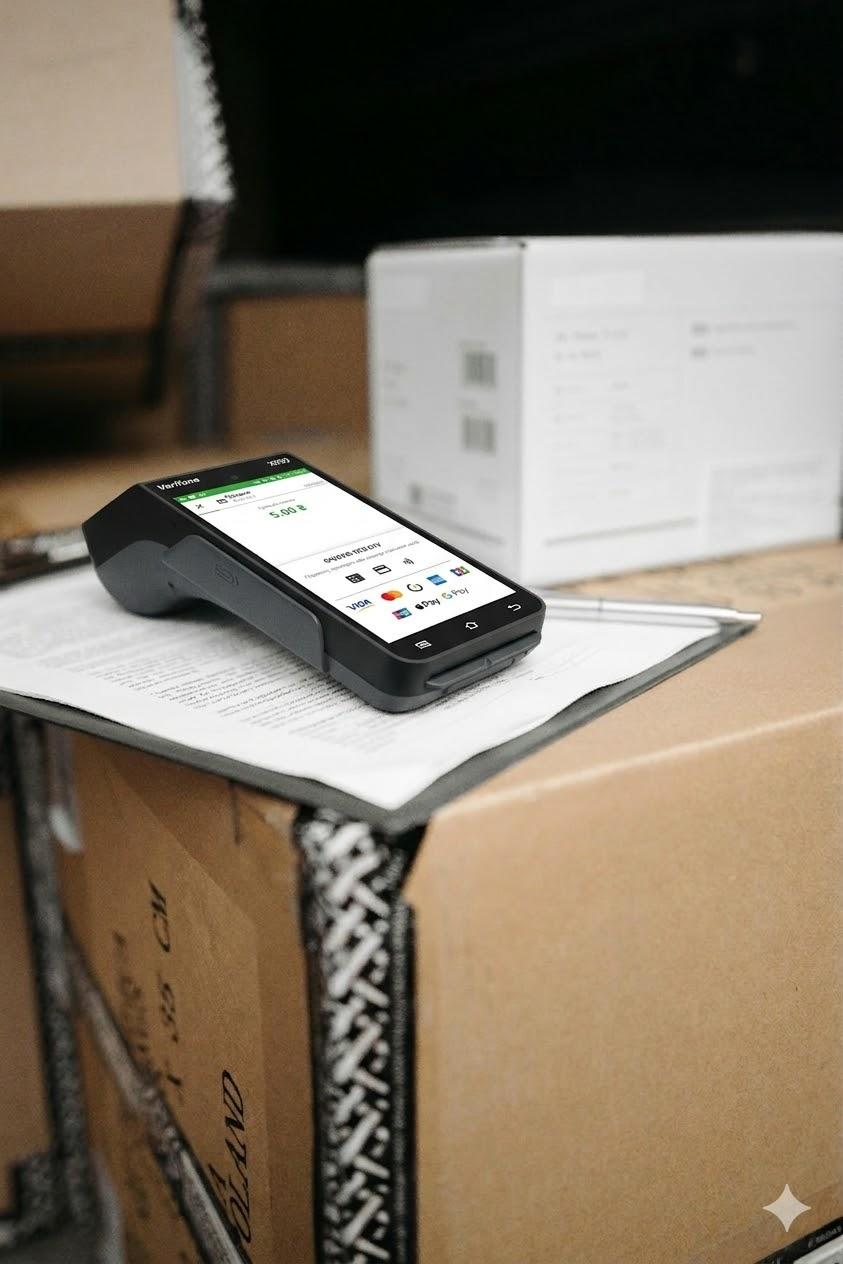
Almost every real device estate is multi-vendor. An acquirer runs Verifone alongside Ingenico and PAX; a bank runs ATMs from more than one manufacturer; a retailer mixes registers, printers, and scanners across brands. Each vendor solves its own slice well — and leaves the operations between them to you.
Multi-vendor cost rarely shows up on a purchase order. It shows up in the seams: a different portal for each brand, a different export format, a different way of describing the same lifecycle. Operations staff become translators, and every translation is a place for error and delay.
A vendor's management tool is a remote control plane for that vendor's devices once they are deployed. It is not designed to model your request-to-install pipeline, your approval gate, your dispatch routes, or your returns loop across every brand at once. That operational layer is yours to build — or to leave on spreadsheets.
The answer is not to consolidate to a single manufacturer — mixed estates exist for good commercial reasons. The answer is to run operations one layer above the hardware, where the workflow is the same regardless of brand: request, approve, configure, test, dispatch, deliver, maintain, retire.
Nexura is deliberately vendor-agnostic at that layer. It governs the operational lifecycle of any device in your estate, whatever the badge on the front — so a mixed fleet stops being a tax on your operations team.
One system of record across every vendor. One pipeline your staff actually learn once. One audit trail that does not care who manufactured the device. The hardware stays diverse; the operations stop paying for it.